Renovating a home is equal parts excitement and logistics. You picture new light streaming into an opened kitchen, a bathroom that finally works for busy mornings, or a basement remodel that turns unused square footage into a cozy living space. Then come the real questions. Who can do the work well, keep to a sensible budget, and treat your home with care? When you type home renovation near me and scroll through pages of names, it is easy to feel overwhelmed.
I have managed, hired, and worked alongside trades on projects that ranged from a single vanity replacement to full residential remodeling jobs. The best results come from getting three things right: define your scope, vet your options thoroughly, and set up clear guardrails in a written agreement. Everything else flows from those pillars.
Start With the House You Have, Not the Wish List in Your Head
Every successful renovation begins with a measured look at your actual space. Walk the rooms you plan to change and note what drives the project. Maybe the kitchen layout wastes steps, the primary shower leaks, or the basement remodel would give teens a place to spread out. Pin down two or three must-haves and the same number of nice-to-haves. You can always add an accent tile later, but moving plumbing stacks or reframing a load-bearing wall needs to be decided from the start.
Photos and quick measurements help. If you are considering affordable kitchen renovations, sketch the current layout with rough dimensions and mark where gas, water, and electrical lines enter. Those fixed points shape both cost and feasibility. A bathroom remodel can range widely in price depending on whether you keep fixtures in place or plan to relocate the toilet and shower. Small choices, like using a preformed shower pan instead of a fully tiled pan, can trim thousands and still look sharp when paired with the right surround.
When planning a basement remodel, test for moisture before dreaming up the home theater or guest suite. A ten-dollar humidity gauge and a plastic sheet taped to the slab can reveal condensation issues. If water intrudes during rains, you will need drainage or sealing work before you build. Skipping this step is the fastest way to ruin new drywall and flooring.
Reading Search Results Without Getting Lost
Typing general contractors near me or bathroom remodelers near me is a start, not a decision. Local results can include well-regarded outfits and also brand-new crews with few projects under their belt. Trust but verify. Third-party directories are convenient, yet references from people you know still carry the most weight. A neighbor who had a home addition finished last year can tell you whether the crew showed up on time, handled surprises, and left the site tidy.
If you do lean on the internet, focus on two signals. First, look for project galleries that resemble your scope and style rather than just pretty photos. A contractor who shows three full-gut kitchens, a basement with an egress window, and a bathroom remodel with a curbless shower understands different challenges. Second, read how they describe process, not just results. The strongest teams explain preconstruction planning, permitting, scheduling, and how they manage change orders. That language matters more than a thousand stock images.
Who Does What: Matching Contractor Types to Your Project
Not all pros are set up the same way. A professional contractor might be a sole proprietor who coordinates trusted subcontractors, a mid-sized firm with in-house carpenters, or a design-build company that keeps designers and project managers on staff. Each model can work well if it matches the complexity of your job.
- A single-room bathroom remodel or a deck refresh often fits a smaller crew that can move quickly and keep overhead low. If you are eyeing a new composite surface and rails, a seasoned deck contractor will install faster and avoid water-trap details that shorten a deck’s life. Multi-room renovations, structural changes, or home addition contractors typically bring a larger network. They will coordinate framing, MEP trades, and inspections, and they often have systems to keep a multi-month schedule on track. For kitchens, especially if you want to change layouts or add a wall opening, a firm that handles both design and construction can shorten the overall timeline. Expect a few design iterations and cabinet lead times anywhere from six weeks to several months depending on the line.
If you feel unsure where to start, talk with two generalists bathroom remodeling company services and one specialist and see who asks the best questions. The one who wants to understand your priorities, your house’s bones, and your budget guardrails is more likely to set the job up for success.
Budget Ranges That Keep You Grounded
Prices vary by region, material choices, and supply conditions, but useful bands help frame expectations. In many markets, a modest hall bathroom remodel that keeps plumbing in place can land in the low five figures. A larger primary bath with custom tile, a separate tub, and upgraded fixtures climbs from there. Affordable kitchen renovations often start with refacing or semi-custom cabinets, stock sizes where possible, and durable midrange appliances. Swapping laminate counters for quartz and upgrading lighting gives a strong return without top-tier prices.
Basement finishing typically lands at a cost per square foot range, with egress windows, bathrooms, and wet bars adding meaningful line items. Additions are the most variable. A simple single-story bump-out that extends a kitchen can be more affordable than a two-story extension with a new foundation and roof tie-ins. A deck project hinges on materials and detailing. Pressure-treated lumber costs less up front, while composite and aluminum rails raise material cost but cut future maintenance. If you live in a climate with heavy snow or intense sun, the long-run math often favors composite.
Plan a contingency. Ten to fifteen percent set aside protects you from surprises inside walls, code-required upgrades, or a decision to splurge on a better countertop after you see samples in the space. A contractor who respects your budget will help you decide where upgrades matter and where a lower-cost option does just fine.
Due Diligence That Saves You Headaches
When you start narrowing your list, a little homework pays huge dividends. You want capability, reliability, and clear communication, not just a sharp bid. Use the quick checklist below to standardize your review across companies.
- Verify current license and insurance, including workers’ compensation if they have employees. Ask for three recent references with similar scope, then call them and ask what surprised them. Review a portfolio of at least five projects that resemble yours and ask what went right and what they would now do differently. Confirm who will be on site day to day, and whether you will have a single point of contact. Request a sample contract and change order form before you sign anything.
Licensing verifies a baseline, not excellence, yet it matters for permits and inspections. Insurance protects everyone if something goes wrong. References should match your type of job. If you want a basement remodel with a bathroom, talk to past clients who did exactly that. Ask how the team handled dusty phases, whether the schedule held, and how they resolved inevitable hiccups. People are honest about mess, noise, and whether crews respected their space. Those answers tell you more than online stars.
Comparing Bids Without Getting Tripped Up
Once you have two or three proposals, the real work begins. You want apples-to-apples, not guesswork. Look for scope narratives that describe demolition, framing, insulation, drywall, trim, paint, and all trades. Allowances should be realistic. An appliance allowance that would not cover a basic slide-in range today sets you up for a big overage later. Tile budgets should reflect price per square foot that matches your taste, not the cheapest white square on clearance.
Clarify exclusions. If the proposal excludes permits, debris hauling, or final cleanup, you need to know and assign those tasks. In older homes, electrical panels or plumbing stacks may need upgrades to meet current code. A thoughtful bid will flag those possibilities and price them as alternates, not surprises.
If one number sits far lower than the others, it is rarely a windfall. More often, it means the scope is thinner or labor hours are underestimated. A contractor who explains price with a transparent breakdown earns trust. You do not need every nail itemized, but you should understand how the total builds from materials, labor, overhead, and profit.
Showrooms, Selections, and How to Avoid Decision Fatigue
Selecting finishes is fun, then suddenly it is not. Keep a simple sequence. Decide the big surfaces first, then the accents. In kitchens, choose cabinets and counters, then the backsplash. In bathrooms, pick tile and vanity, then fixtures and mirrors. Early selections inform rough-in heights and blocking locations, and they prevent the dreaded halt when the crew is ready to set a shower valve but the fixture choice is still a mystery.
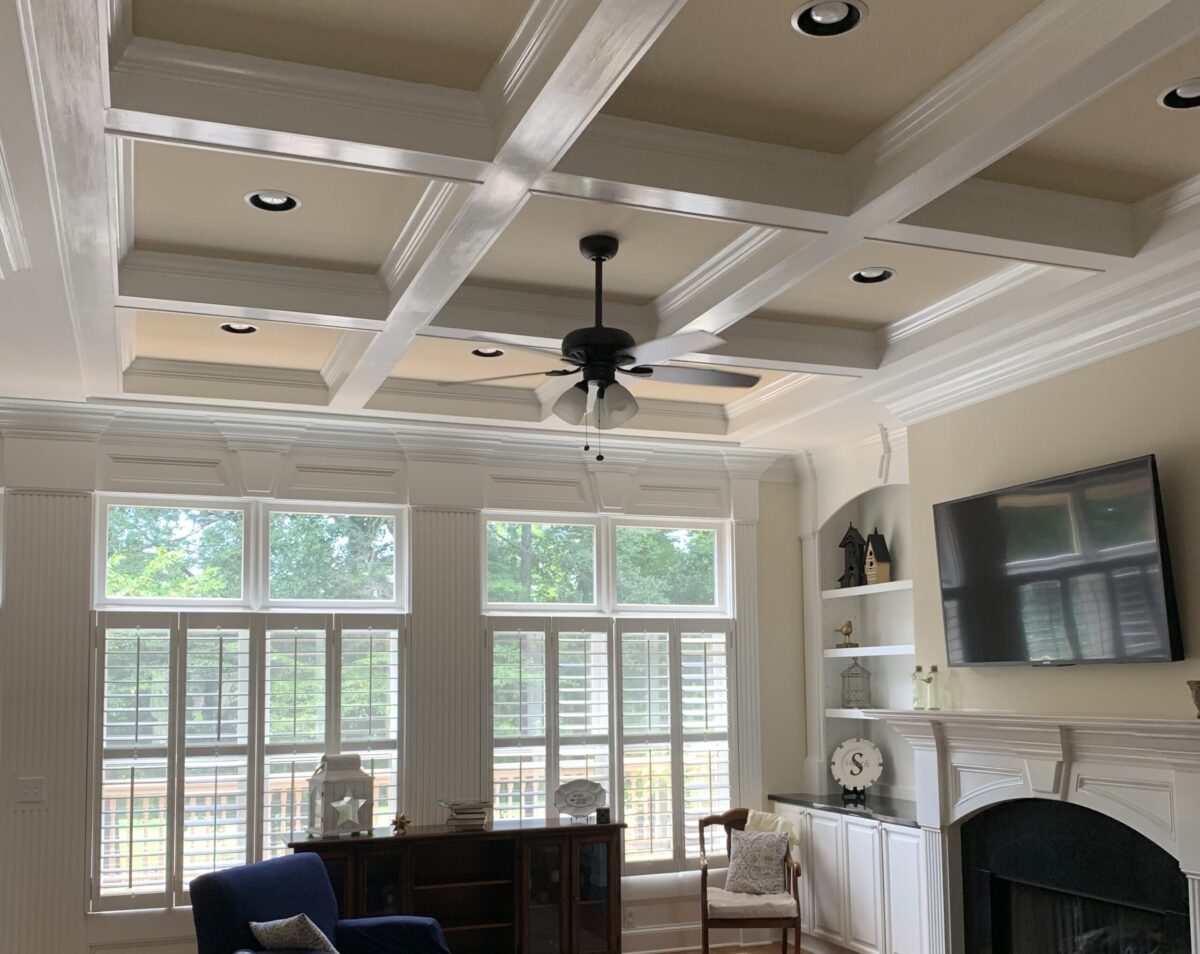
Bring samples into your space. Lighting shifts color dramatically. A quartz that looks warm under showroom LEDs can turn cool in north-facing light. Aim for harmony, not an exact match on every surface. Slight variation creates depth and looks more considered.
Schedules and Living Through the Work
Even the best-run job brings noise, dust, and a parade of trades. A one-bath home under a bathroom remodel needs a workable plan, whether that is a temporary shower at a gym or a friend’s guest bath for a week while tile cures. Kitchens can be staged so you have a temporary sink and counter for coffee and basics. A contractor who thinks about your daily life earns extra points.
Typical timelines range. A straightforward bathroom might run three to five weeks. A kitchen involves design lead time, cabinet fabrication, and then a construction phase that can span six to twelve weeks depending on the scope. A basement remodel often takes six to ten weeks once framing starts, plus the planning period. Additions can stretch several months, especially when weather and inspections come into play. Ask your contractor to provide a simple Gantt-style sequence with dependencies so you know what triggers each next step.
Permits and Inspections: Friend, Not Foe
Skipping permits to save time or money looks tempting until you sell the house or a problem arises. Inspectors are not adversaries. They verify that structural, electrical, and plumbing work meets minimum standards. In my experience, early engagement with your local building department shortens the cycle. A contractor who has pulled dozens of permits in your town will know which drawings the reviewer expects and how to schedule inspections to avoid idle days. This is especially important for home addition contractors who coordinate foundation, framing, insulation, and final inspections across a longer arc.
Contracts Built for Clarity
A solid contract is not adversarial. It is a set of agreements that protects both sides and keeps the project moving when questions crop up. It should include scope, start and estimated completion windows, payment schedule, allowances with itemized values, change order procedures, proof of insurance, warranty terms, and how punch-list items are handled.
Here is a simple hiring sequence that keeps you on track from first call to kickoff.
- Initial call or site visit to align on scope, budget range, and fit. Share photos and rough measurements. Receive and review a detailed proposal with clear inclusions, exclusions, and realistic allowances. Check license, insurance, references, and a sample contract. Ask about permit handling and inspection timing. Sign contract with a reasonable deposit, not front-loaded, and a payment schedule tied to milestones. Request lien waivers with each payment. Hold a preconstruction meeting to confirm selections, site logistics, dust control, work hours, and communication cadence.
Payment schedules deserve attention. Reasonable deposits generally sit between ten and thirty percent depending on custom orders, with progress payments tied to work completed, like rough-in approval or cabinet delivery. I ask for lien waivers from major subs with each payment. This protects you from mechanic’s liens if a dispute arises between your contractor and a supplier you have never met.
Specialty Notes: Kitchens, Baths, Basements, Additions, and Decks
Kitchens carry the most moving parts. Cabinet lead times are the pacing item. If you choose custom or semi-custom lines, order early and verify dimensions twice. Appliance choices affect cabinetry, electrical, and venting. A wall oven and separate cooktop need different circuits than a slide-in range. If you want affordable kitchen renovations without custom millwork, consider stock-size cabinets with filler pieces used creatively, a quality RTA line, or refacing when boxes are sturdy. Lighting upgrades often deliver outsized impact: a dimmable ceiling grid, under-cabinet task lights, and one statement pendant above an island.
Bathrooms add waterproofing to the mix. Look for a crew that uses a consistent system, whether a sheet membrane or a liquid-applied product, and can show how they tie pans, walls, and niches together. Proper slope, drain height, and curb construction decide whether a shower stays tight. Heated floors are a small luxury that change winter mornings. Add a dedicated circuit and thermostatic control for comfort and efficiency. Ventilation matters more than tile choice. A quiet, properly sized fan with a humidistat prevents mold and keeps paint and grout looking fresh.
A basement remodel rewards planning for light and air. If you add bedrooms, you will likely need egress windows by code. That requires careful cutting of foundation walls and proper wells. Insulation strategy depends on climate and existing conditions. Foam on the walls to control condensation, then studs and drywall, beats stuffing fiberglass between cold masonry and a stud wall. Talk through flooring choices. Luxury vinyl plank handles minor moisture better than solid hardwood.
Home additions require patient sequencing. Foundation work leads to framing that must tie cleanly into existing structure. Roof lines that look simple on paper can reveal surprises once shingles come off. Siding and trim transitions deserve extra care home remodeling company so the new reads as part of the old house. Interior HVAC capacity may need an assessment. Sometimes a separate mini-split handles the new space more efficiently than an oversized rework of the main system.
Decks live outdoors in real weather. Flashing against the house, posts set below frost depth, and rail details that shed water decide how long the deck lasts. A seasoned deck contractor will explain how they back-prime cuts, use stainless or coated fasteners with treated lumber, and space boards for seasonal movement. If you plan a grill or a hot tub, discuss load and burner clearances at design time, not after framing.
Communication Habits That Keep Projects Calm
Ask each contractor how they communicate during the job. Some send a weekly summary with photos and upcoming tasks. Others text daily updates. Pick a cadence you like and agree on a single point of contact. Put decisions and changes in writing, even if it is a quick email recap. I keep a running log of selections with model numbers, finish codes, and lead times. When a faucet arrives, I check it off the list. This habit saves time and prevents costly reorders.
Jobsite rules matter too. Decide where materials are stored, which entrance the crew uses, and whether pets need gates. Dust control is more than a zipper door. Ask about negative air machines, filter changes, and whether returns are covered to protect your HVAC. A conscientious team will prep the space so your home stays livable.
Red Flags Worth Heeding
Low bids with vague scope, pressure to pay large deposits before a contract, and resistance to permits are warning signs. Frequent no-shows during the bidding phase often become no-shows during construction. If communication feels strained early, it rarely gets better when drywall dust fills the air. The best pros are not always the cheapest or the fastest to start, but they are transparent, reliable, and willing to explain trade-offs.
When Your Project Is Small but Important
Not every job is a full residential remodeling effort. Maybe you need a powder room refresh, a small deck repair, or tile replacement in a kids’ bath. Smaller specialty crews or bathroom remodelers near me searches can surface outfits that thrive on quick hits. Ask if they offer a half-day or one-day service rate for punch items. A professional contractor who treats small jobs with the same respect they give big ones is worth keeping on speed dial.
Putting It All Together
Renovation success rides on alignment: the house’s needs, your priorities and budget, and a contractor who has the right skills and systems. Start with a clear scope. Gather two or three serious proposals. Check license, insurance, and references that match your exact kind of job, whether it is a basement remodel, an affordable kitchen renovation, or a deck rebuild. Use a written contract that sets expectations on money, schedule, and change management. Then communicate with intention.
When you search home renovation near me, you are really looking for a partner to steward your home through change. The right fit shows up as curious questions, practical suggestions, and the calm confidence that comes from solving problems before they turn into delays. With that team in place, dust becomes temporary, and each milestone feels like progress toward a home that finally works the way you hoped.